
By Chelsea Landry, Program Partner, Max M. & Marjorie S. Fisher Foundation
In spring 2026, I was fortunate to be offered a paid six-week sabbatical leave from my role at the Max M. & Marjorie S. Fisher Foundation. This benefit — offered to all employees with 10 years of service at Fisher — provided a chance for rest and personal fulfillment.
And while I did certainly enjoy my time away from the office (which included a trip to Portugal, a specialty baking class, and miles of hiking through Northern Michigan), I have come to realize that the beneficiaries of a sabbatical policy aren’t just the ones booking their plane tickets. The entire Fisher team, and even more importantly, our grant partners, benefited from my time away. I believe that changing up foundation personnel can be an effective way to strengthen grant partner relationships in the long-term.
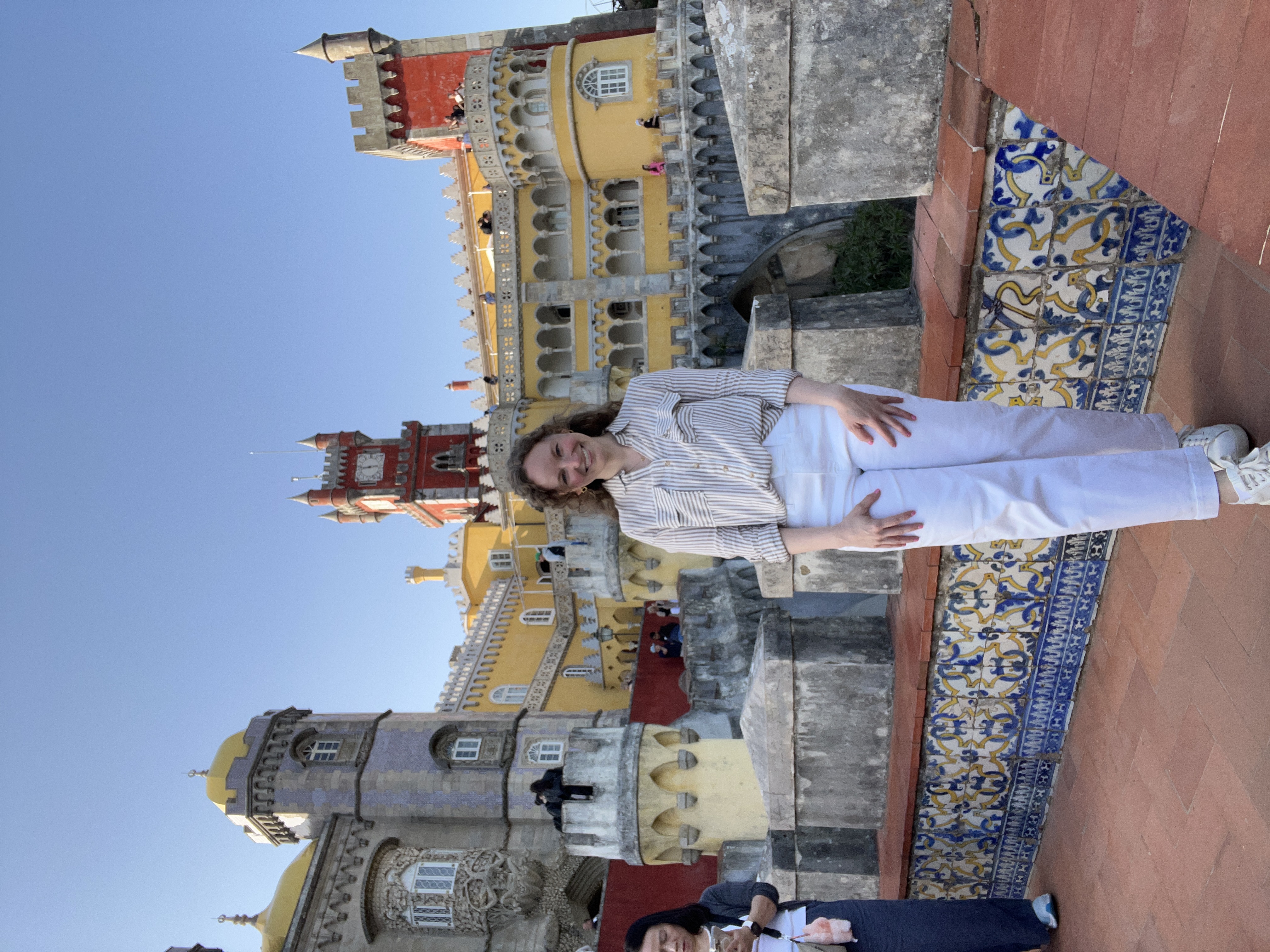
Chelsea Landry, shown here at Palácio da Pena in Sintra, Portugal.

Homemade pastéis de nata from a cooking class in Lisbon
While far from standard, sabbatical leaves are becoming increasingly common in the philanthropic sector. Frequently, these opportunities are provided for the leaders of nonprofit organizations and are viewed by some as a response to the rise in employee burnout. It’s also true that offering sabbatical leave is a compelling employee benefit and can serve as a factor in enticing employees to join an organization or stay for longer.
However, my own personal experience has granted me a differing perspective on sabbaticals, one that looks beyond individual gain to how time away from the office can strengthen partner relationships.
Sabbatical leaves are essentially low-stakes exercises in succession planning. For program officer-level employees (myself included), their work depends on individual relationships with grant partners. Sabbaticals are therefore useful opportunities to test the sustainability of Foundation-wide communication, documentation and teamwork. When the individual personalities responsible for carrying relationships forward are removed, can the work continue?
In my role at Fisher, I manage a portfolio of about 30-40 grants at any given time. Each grant represents a unique relationship, with many moving parts and in-depth conversations spanning years in length. Removing myself from these conversations, though only for 6 weeks, required my teammates to step in. Unlike a long weekend of PTO, work doesn’t simply pause when you leave for sabbatical — it needs a systemic team effort to move it forward.
The result was a shift in the relationship from being one between individuals, to being one between organizations. Suddenly, my systems of documenting the grant and communicating updates with coworkers were tested.
This represents an important shift towards transparency and sustainability — both elements that are often absent from grantmaking.
Relationships are at the heart of philanthropy. Sabbatical leaves, or time away from the office generally, will not change this important dynamic. But enabling increased teamwork inside these relationships provides greater clarity, consistency and stability for grant partners. For Foundation staff, regularly documenting your objective dialogue with partners can make it easy for others to step in when needed.
Whether or not your Foundation offers a sabbatical policy (or any upcoming medical/maternity leave, extended PTO, etc.) you can strengthen and implement systems to create better sustainability in your grant partner relationships.